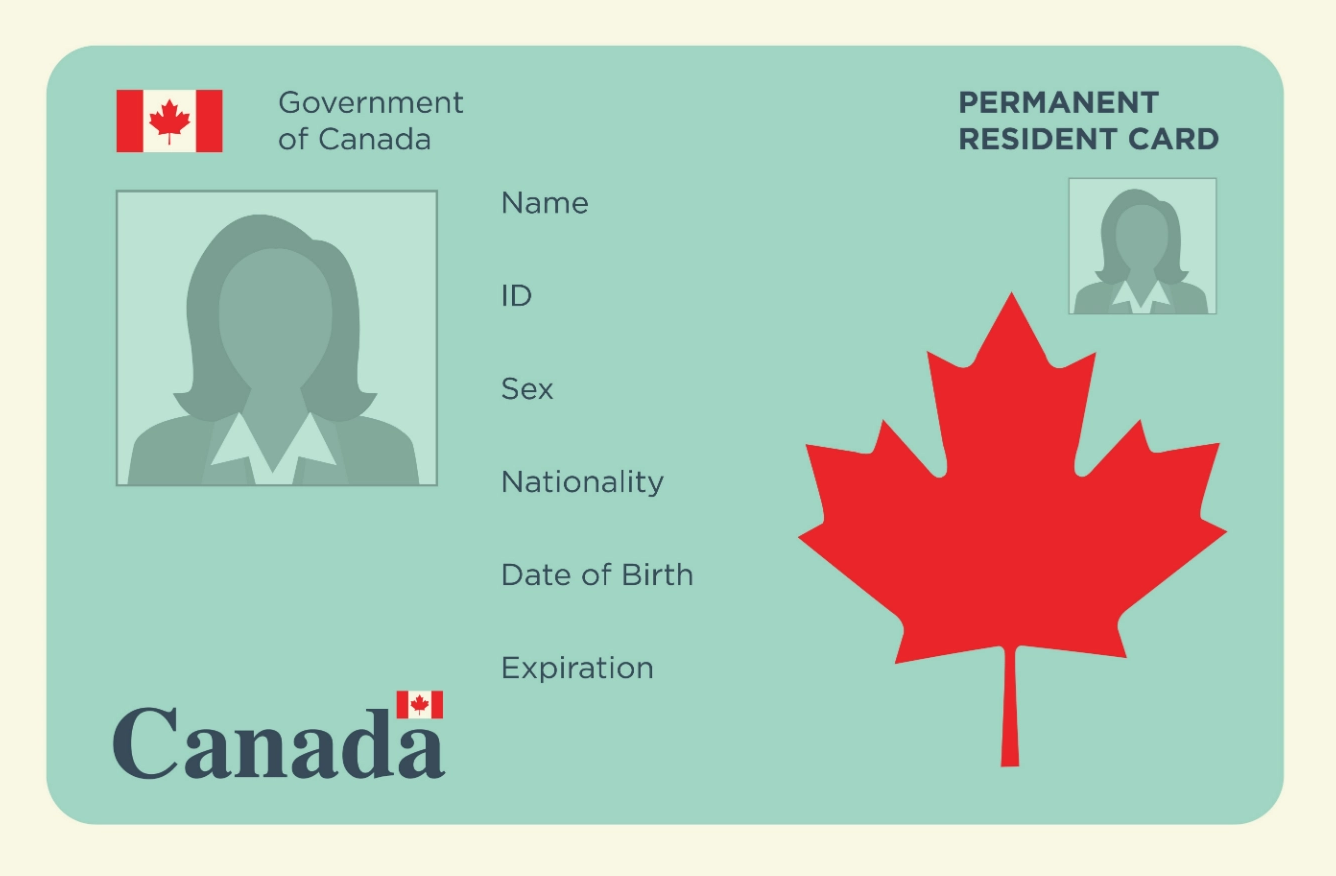
Canada has become one of the world’s most popular destinations for immigrants seeking opportunity, safety, and long-term stability. Whether your goal is career advancement, world-class education for your family, or the pathway to citizenship, obtaining Permanent Residency (PR) is often the first major milestone. This guide walks you through the major programs, eligibility requirements, documents, fees, timelines, and practical steps to help you navigate the Canadian Permanent Resident journey confidently. The details provided in this article is for informational purposes only, please refer to official IRCC website for updated details.
What is Canadian Permanent Residency?
Permanent residents are foreign nationals who have been granted permission to live, work, and study anywhere in Canada indefinitely. PR holders receive social benefits, healthcare access, employment freedoms, and a pathway to citizenship after meeting residency requirements. They are not Canadian citizens yet, but they enjoy many of the same rights, with a few exceptions such as voting or holding certain security-sensitive federal jobs.
Major Pathways to Obtain Canadian Permanent Resident
Canada offers multiple immigration pathways, each designed for different profiles including skilled workers, provincial nominees, international students, entrepreneurs, and families. Below is an overview of the most common categories.
1. Express Entry (EE)
Express Entry is Canada’s flagship program for skilled workers. It manages three main streams:
- Federal Skilled Worker Program (FSWP)
- Canadian Experience Class (CEC)
- Federal Skilled Trades Program (FSTP)
Candidates enter a points-based pool where Comprehensive Ranking System (CRS) scores determine invitations to apply (ITAs).
Key Requirements:
- Language test (IELTS/CELPIP for English, TEF/TCF for French)
- Educational Credential Assessment (ECA)
- Proof of funds (FSWP/FSTP)
- At least one year of skilled work experience
- Competitive CRS score
Express Entry draws occur several times each month, targeting general, program-specific, or category-based applicants.
2. Provincial Nominee Programs (PNP)
Provincial Nominee Programs allow provinces to nominate candidates who meet local labor market needs. Provinces like Ontario, British Columbia, Alberta, Saskatchewan, and Nova Scotia run their own skilled worker and employer-driven streams.
A provincial nomination adds 600 CRS points, almost guaranteeing an Express Entry ITA.
Types of PNP streams:
- EE-aligned PNPs (linked to Express Entry)
- Non-EE PNPs (paper-based streams)
- Employer-sponsored streams
- In-demand occupation streams
- International graduate streams
3. Family Sponsorship
Canadian citizens and permanent residents can sponsor eligible family members, including:
- Spouses and partners
- Dependent children
- Parents and grandparents
Sponsors must meet income requirements and sign an undertaking to financially support the applicant for a prescribed period.
4. Study-to-PR Pathway
International students often transition to PR via:
- Post-Graduation Work Permit (PGWP)
- Canadian work experience
- CEC stream under Express Entry
- PNP graduate pathways
Students who study in Canada gain local education, work opportunities, and better CRS scores.
5. Business and Investor Immigration
For entrepreneurs and investors, Canada offers:
- Start-up Visa Program
- Provincial entrepreneur streams
- Self-employed person program (for cultural or athletic professions)
These programs prioritize innovation, job creation, and business experience.
Permanent Resident Eligibility: Key Requirements
Eligibility varies by program, but several core requirements appear frequently across PR pathways.
1. Language Proficiency
Most skilled programs require a minimum CLB score:
- FSWP: CLB 7
- CEC: CLB 7 (skilled jobs), CLB 5 (technical/trades jobs)
- FSTP: CLB 4–5
Approved tests include IELTS, CELPIP, TEF, and TCF.
2. Educational Credential Assessment (ECA)
Foreign degrees must be verified by IRCC-approved bodies:
- WES
- IQAS
- ICES
- CES
- MCC (for physicians)
3. Proof of Funds
Applicants must show they can support themselves when arriving in Canada, unless exempt (e.g., CEC applicants).
4. Work Experience
Relevant skilled work in NOC TEER categories 0, 1, 2, or 3 is required for most economic pathways.
5. Admissibility
Applicants must pass:
- Criminal background checks
- Medical exams
- Immigration admissibility reviews
Step-by-Step Permanent Resident Application Process
Though timelines vary by program, the general process is consistent across most PR applicants.
Step 1: Check Eligibility
Use IRCC’s eligibility tools to confirm which PR path suits your profile. Many applicants also strengthen their chances by improving language scores or gaining Canadian experience.
Step 2: Gather Required Documents
Typical PR documentation includes:
- Passport
- Language test results
- Educational Credential Assessment
- Job reference letters detailing duties and hours
- Proof of funds
- Marriage/birth certificates (if applicable)
- Police clearance certificates
- Medical exam (usually after ITA)
Step 3: Create an Express Entry Profile (If Applicable)
Your profile is valid for 12 months. Enter accurate information about:
- Work experience
- Language scores
- Education
- Family composition
The CRS score is automatically calculated.
Step 4: Receive ITA or Provincial Nomination
You may receive:
- An ITA directly from an Express Entry draw
- A Notification of Interest (NOI) from a province
- A provincial nomination (adding 600 CRS points)
Step 5: Submit PR Application
Once invited, applicants have 60 days (for EE) or standard provincial timelines to upload documents.
IRCC will then initiate:
- Medical examinations
- Criminality checks
- Security screening
- Employment verification
Step 6: Biometrics
Applicants must provide biometrics at an approved service center. Biometrics are typically valid for 10 years.
Step 7: Application Processing
Processing times vary:
- Express Entry: 6–9 months on average
- PNP (non-EE): 12–20 months
- Family sponsorship: 12 months
- Start-up visa: 32 months or more
Delays may occur if documents are incomplete or require additional review.
Step 8: Passport Request (PPR) and Confirmation of PR
Once approved, IRCC issues:
- Passport request (for visa-required applicants)
- Confirmation of Permanent Residence (COPR)
Applicants inside Canada may qualify for virtual landing via PR Confirmation Portal.
Step 9: Landing in Canada
Upon landing:
- Present your COPR
- Validate your PR status with a border officer
- Provide your Canadian address for PR card delivery
A PR card usually arrives 2–3 months after landing.
PR Card Renewal and Residency Obligation
To maintain PR status, you must be physically present in Canada for at least 730 days within a 5-year period.
The PR card is valid for five years and can be renewed by demonstrating residency obligation compliance.
Advantages of Canadian Permanent Residency
PR offers a compelling range of benefits:
- Eligibility for citizenship after 1,095 days of residency
- Access to public healthcare
- Free schooling for children
- Social benefits (EI, child benefits)
- Work and travel freedom
- Option to sponsor family members
- Opportunity to live in any province
Useful IRCC Links
For accurate information and updates, refer to these official resources:
- Express Entry Overview
https://www.canada.ca/en/immigration-refugees-citizenship/services/immigrate-canada/express-entry.html - Check PNP Streams
https://www.canada.ca/en/immigration-refugees-citizenship/services/immigrate-canada/provincial-nominees.html - Family Sponsorship
https://www.canada.ca/en/immigration-refugees-citizenship/services/immigrate-canada/family-sponsorship.html - Proof of Funds Requirement
https://www.canada.ca/en/immigration-refugees-citizenship/services/immigrate-canada/express-entry/documents/proof-funds.html - PR Processing Times
https://www.canada.ca/en/immigration-refugees-citizenship/services/application/check-processing-times.html - PR Card and Residency Obligation
https://www.canada.ca/en/immigration-refugees-citizenship/services/new-immigrants/pr-card.html
Conclusion
Obtaining Canadian Permanent Residency is one of the most transformative decisions newcomers can make. Whether through Express Entry, a provincial nomination, family sponsorship, a study permit pathway, or business immigration, Canada offers structured opportunities for individuals with diverse backgrounds and goals. By preparing documents early, improving your CRS score, and following IRCC guidelines carefully, you can navigate the PR process with confidence. Once you land in Canada as a permanent resident, you unlock a world of long-term opportunity, stability, and eventually, the option to become a Canadian citizen. The details provided in this article is for informational purposes only, please refer to official IRCC website for updated details.
Read about obtaining Canadian Citizenship